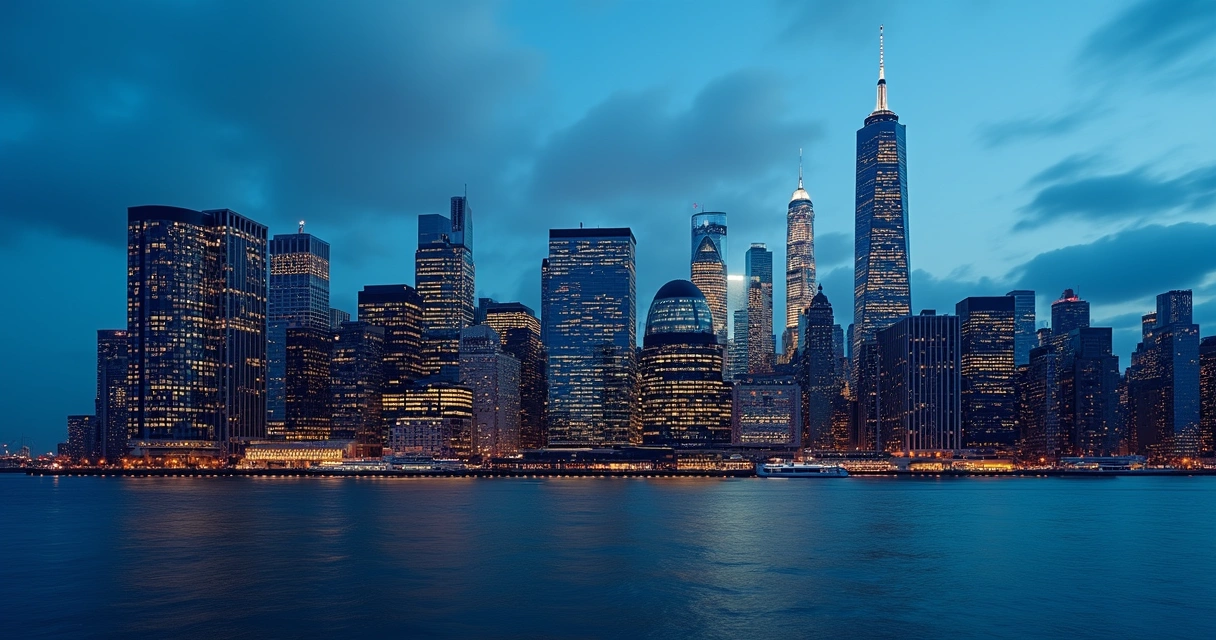

It’s a question that comes up more often than you’d think: is Manhattan or Brooklyn the better choice for growing a luxury real estate portfolio in New York City? In my years working closely with investors and property owners at Azimuth Realty, I’ve seen both boroughs attract serious capital, but the story is deeper than just prices and neighborhood buzz. Each location has its own rhythm, its periods of fast appreciation, and its risks.
Let me share my perspective as someone who’s seen the market surge, pause, and reinvent itself—because the answer depends on your own strategy, risk comfort, and most of all, your end goals for luxury asset growth.
Understanding the Manhattan luxury market
For decades, Manhattan has been, in many eyes, the global benchmark for urban luxury real estate. Central Park West, Tribeca, the Fifth Avenue corridor—these addresses carry a premium for one key reason: they are rare, they are recognizable, and they attract an international clientele. What I’ve noticed, though, is that luxury in Manhattan is not just about square footage or a view, but about the security of your investment against long-term economic winds.
Manhattan luxury is sometimes slow to fall, slower still to recover, but its value is trusted worldwide.
There are several features that, in my experience at Azimuth Realty, define Manhattan’s luxury growth potential:
- Historic price resilience: Even after downturns, the highest-end Manhattan assets tend to recover strongly over time.
- Global demand: International buyers continue to see Manhattan as a currency hedge and a trophy location.
- Invisible inventory: Much of the most exclusive inventory never hits public listings, fueling further scarcity and private dealmaking.
- Mature luxury infrastructure: Private schools, cultural venues, Michelin-starred dining—these appeal to a certain buyer, time and again.
However, seasonality and world events can freeze Manhattan’s top-end very quickly. That’s something I always advise investors to consider. Liquidity in slow times is thinner at the ultra-luxury levels.
Brooklyn’s rise as a luxury asset hub
It wasn’t so long ago that clients would treat Brooklyn like a secondary play. But over the past ten years, I’ve watched certain Brooklyn neighborhoods outperform expectations, shifting perceptions with their mix of architectural charm and community spirit. Places like Brooklyn Heights, Williamsburg, and Park Slope now catch investors' eyes for very different reasons than Manhattan does.
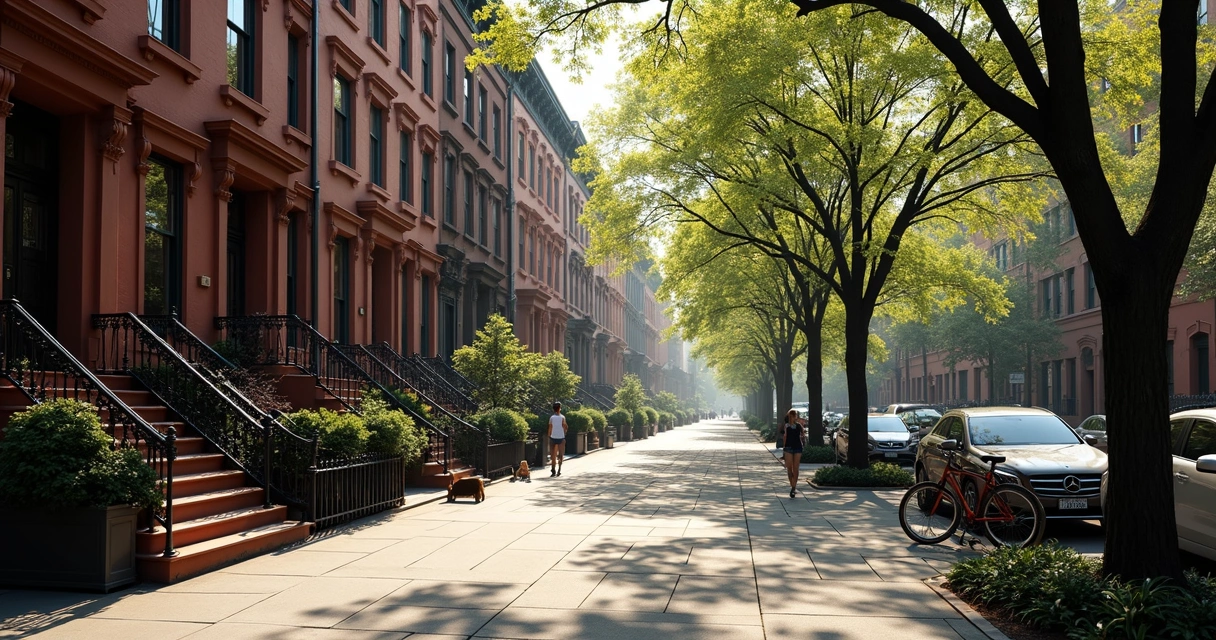
The Brooklyn luxury market, though young compared to Manhattan’s, has shown:
- Rapid appreciation: Certain neighborhoods have posted double-digit growth, starting from a lower base compared to Manhattan.
- Creative living spaces: Converted warehouses, spacious townhouses, and penthouses that bring something “off-script” to luxury buyers.
- Cultural cachet: Brooklyn has become a global brand in its own right, with tech founders, artists, and global expatriates joining the market.
- Community feel: Walkable streets, parks, and a less corporate vibe have changed what “luxury” means for a new generation.
One pattern I keep seeing is that Brooklyn’s luxury buyers are often seeking a more relaxed pace, family-friendly surroundings, and unique architecture impossible to replicate in glass towers. Luxury in Brooklyn is identity-driven, not just prestige-driven.
Growth drivers: What matters for asset appreciation?
So, what really drives luxury asset growth in these two boroughs? In my work at Azimuth Realty, three factors consistently play a role:
- Supply constraints: Manhattan’s strict zoning and scarcity of developable land ensure most new projects are pricey, if not rare. In Brooklyn, while historic districts limit some construction, there’s been more freedom to repurpose and create new inventory.
- Changing demographics: Manhattan attracts international wealth; Brooklyn is drawing in local tastemakers, tech talent, and families. These different pools affect both rental yields and sales prices.
- Connectivity and lifestyle: Commute patterns, access to green space, and proximity to innovative schools can all tip the scale of growth, especially for buyers who now value a combination of work-from-home flexibility and metropolitan perks.
For many portfolio builders, a mix of both boroughs provides stabilization—one asset class compensating for softness in another. If you want more insight into changing demographics and how they might affect returns, there’s an entire section on market insights where these themes come up often.
Risk, reward, and volatility
Let’s talk risk. Manhattan’s blue-chip addresses behave more like bonds: lower risk, especially in downturns, but lower high-growth upside unless you time your entrance well. Brooklyn, in contrast, has offered much faster upside potential over short windows and in emerging pockets, but these can be more sensitive to local economic changes or overbuilding.
High growth and high volatility walk side by side in emerging luxury markets, especially in Brooklyn.
Transaction costs, tax exposure, and rent regulations also differ. It pays to underwrite precisely. The deeper you go into Brooklyn, the more you may find blocks with huge upside—or those subject to price corrections when the market cools.
Off-market deals and exclusive access
At Azimuth Realty, I specialize in presenting clients with premium, sometimes “invisible,” inventory. The off-market universe is alive not just in Manhattan penthouses but also in Brooklyn townhouses. Many owners, especially at the top, prefer quiet deals with qualified buyers. For those seeking unique opportunities, these are often where the greatest value jumps occur, escaping the noise of bidding wars and public listings. To get a sense of how off-market deals work, our luxury real estate category page breaks down examples of discreet acquisitions and what makes them effective.
Timing and capital flow patterns
Growth is not just about choosing a borough—it’s about choosing the right time, asset, and exit strategy. Manhattan’s most prestigious segments see steady global interest, but windows to enter at a good value are rare and brief. In Brooklyn, well-timed moves into the right neighborhoods can result in explosive returns, especially during early gentrification or when new zoning unlocks value. But I’ve learned that swift changes in demand can reverse just as quickly when trends fade or when local economic headwinds pick up.

Clients who take a patient, data-driven view—tracking inventory cycles, watching for patterns in foreign investment, and keeping close tabs on changing neighborhood profiles—often see more stable growth over the years than those betting on “the next big thing.” This has always been my approach at Azimuth Realty and why so much of our process is about analytical rigor and capital preservation. I recommend keeping up with evolving trends on our investment strategies blog for updates that influence when and where to buy or hold.
So which borough is better for luxury asset growth?
I’m often pressed for a single answer, but the truth is a little more nuanced. Manhattan will likely always offer the highest floor for luxury real estate values, less likely to swing violently in large downturns. It’s best suited for those who treasure long-term stability, global liquidity, and the prestige of prime addresses. Manhattan remains the “set it and forget it” choice for many international and institutional investors.
Brooklyn, though, rewards vision and timing. Choose your block, your building, your moment, and you can achieve outsized growth not seen in Manhattan for decades. Buyers who crave unique architecture, authenticity, and local community roots will find Brooklyn’s luxury market a living laboratory.
For every client I work with, the ideal mix depends on their objectives, risk comfort, and time horizon. That’s why data, discretion, and strategic advice matter so much—values that define my work with Azimuth Realty's advisory team and the results we strive for.
For those seeking a deeper look at past client successes, our case studies break down real growth stories in both Manhattan and Brooklyn. If you are ready to take your portfolio to the next level or want bespoke guidance, I encourage you to reach out and see how Azimuth Realty’s unique perspective and technology-driven insights can open doors to New York’s most promising luxury real estate opportunities.
Frequently asked questions
What is luxury asset growth?
Luxury asset growth refers to the increase in value of high-end real estate, like prime condos, penthouses, or historic townhouses, over time. This typically means outpacing inflation while offering steady returns and long-term wealth preservation.
Is it worth it to invest in Manhattan?
Many investors continue to see Manhattan as a stronghold for capital preservation and prestige. While returns may be steadier than explosive, the global appeal and recognized stability can help safeguard investments, especially over long periods.
How does Brooklyn compare for luxury growth?
Brooklyn offers the possibility for faster appreciation, especially in emerging or revitalized neighborhoods. The risk is slightly higher, and the market is more responsive to local changes, but investors who time it right can achieve outperformance. Brooklyn's luxury market rewards those who look beyond the obvious and spot trends early.
Where to find the best luxury properties?
The most exclusive properties are often traded off-market, through trusted networks and advisory relationships. Working with a specialized firm like Azimuth Realty gives access to inventory and deals not found in public listings.
How much does luxury real estate cost?
Prices vary widely, but Manhattan luxury condos or townhouses can range from a few million to over $100 million. In Brooklyn, high-end homes typically start in the low millions and can exceed $20 million in landmark locations. Each market has a range, so working with experienced advisors is always recommended to understand best value for your goals.